Lime Plaster Solutions to Damp
At Trace Remedial, we know that moisture in walls is a symptom, not a standalone problem. Lime plaster is a traditional, breathable material that can help manage damp in period and heritage buildings, but it is not a universal remedy.

Why Lime Plaster Can Be a Good Approach
We begin every project with a comprehensive damp and moisture assessment, looking at sources of moisture, ventilation, and building performance. Only then can we recommend the right solution, whether that’s lime plaster, a modern damp-proofing system, or a combination of both.
Learn more about our damp survey services.
Contact Trace
Book a damp survey and let our experts identify the true cause of your building’s moisture.
Why use breathable lime plaster?
Breathable & Damp-Resistant
Lime allows moisture to evaporate naturally, reducing condensation and helping walls to dry.
Ideal for Heritage & Period Properties
It is gentle on traditional materials and won’t crack, trap water, or damage stone, brick, or timber structures.
Environmentally Friendly
Made from natural materials with low embodied energy, lime plaster is a sustainable choice for eco homes.
Flexible & Long-Lasting
Unlike rigid gypsum, lime plaster is more able to move with your building, which reduces the risk of cracking over time.
Lime plaster has been used for centuries
When compared to modern gypsum or cement-based products, lime is more of an open-pored material, which better allows for moisture within a wall to move through the internal plaster and into the internal air, where it can be lost to the exterior through ventilation. This in turn can limit the extent of trapped moisture within the wall structure.
It is important to note that lime plaster in isolation does not address the source of the moisture, and that a survey is required with the objective of determining the root cause of the issue as far as feasible (structures may simply reside within impermeable wet soils).
Whether you're renovating a Victorian terrace or restoring a listed cottage, lime plaster helps walls breathe naturally while providing a smooth, beautiful finish.

Book your damp assessment today
Don’t wait for the damp to spread. Whether you need a modern DPC or a traditional lime plaster approach, we’ll help you find the right fix for your home or property.
Find out more
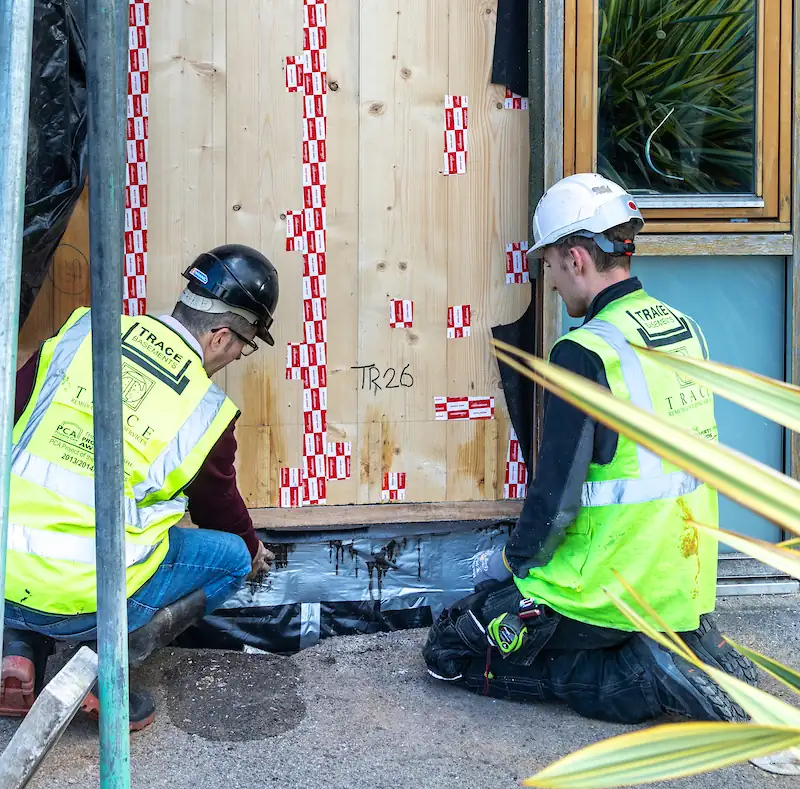
The limitations of Lime Plaster
It is important to appreciate that any system has its advantages and disadvantages, and lime plaster systems are no different. We would always seek to ensure that clients are well informed such that they understand some of the considerations include:
- Unresolved Moisture Sources - rising or penetrating damp must be treated first.
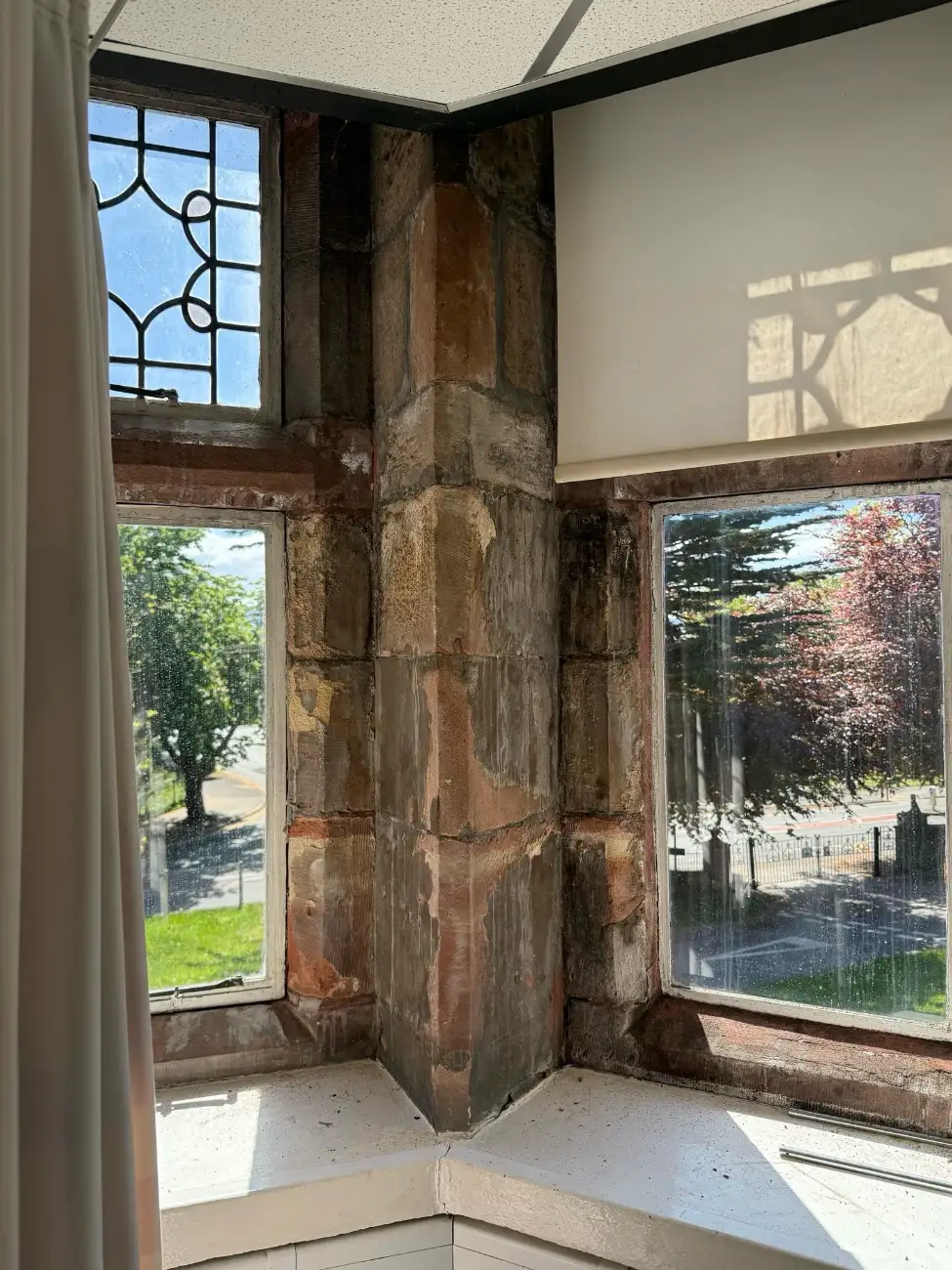
- High Salt Contamination - lime plaster can stain or deteriorate if salts persist. For example where animals have been housed (barn conversions) resulting in aggressive salts (urine), this can lead to failure of lime plaster systems.
- Modern Alterations Limit Ventilation - double glazing, insulation, and concrete slabs reduce the walls’ ability to breathe.
- Historical tolerance of visible dampness within buildings, likely differs from more modern desires for unblemished finishes. Lime actively manages moisture through evaporation and it is not a given that this will completely prevent visible indication of this potentially active and ongoing process.
- Below‑Ground or Hydrostatic Pressure Areas - requires alternative solutions such as basement waterproofing.
Our Lime Plaster Process
Trace Remedial’s method ensures any lime plaster solution is part of a complete remedial strategy:
Damp & Moisture Survey
Assess wall composition, ventilation, salt profiles, and historic changes.
- About our Damp SurveysRoot Cause Diagnosis
Identify what drives moisture — rising, penetrating, condensation, or a combination.
Tailored Solution Design
Lime plaster, modern damp systems, or hybrid approaches specified based on evidence.
Professional Specification & Quoting
Fully itemised, transparent recommendations.
Expert Application & Aftercare
Installed by trained operatives with guidance on maintaining breathability. (Our Installation Services)
Book a survey
Book Your Survey for a tailored plan for your property.
Evidence-Led Guidance & Best Practice
We follow guidance from professional bodies, including the RICS Investigation of Moisture in Traditional Buildings, which emphasises diagnosing moisture first and treating only after causes are understood. MRICS qualified
Common causes of damp we treat
- Rising and penetrating damp
- Bridging of damp-proof courses
- Faulty damp-proof installations
- Hygroscopic salt contamination
- Poor ventilation and condensation build-up
- Renovation mistakes (e.g. tanking systems that trap moisture)
Contact Trace
Book a damp survey and let our experts identify the true cause of your building’s moisture.








.webp)